# SA1 Audiometric Headphone — HB-7 Equivalent, PTB Berlin Validated | Auditdata
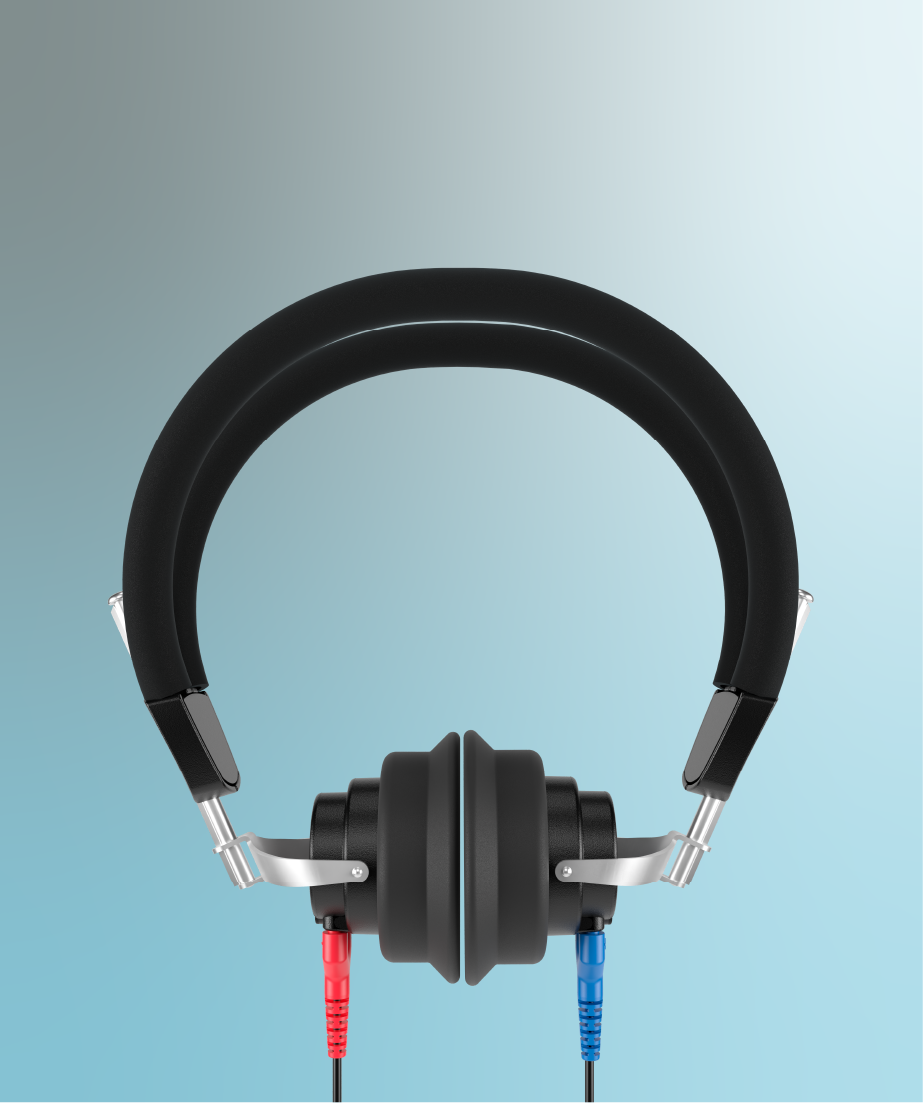
> The SA1 is a supra-aural audiometric headphone and certified HB-7 equivalent. PTB Berlin validated ETSPLs. Compatible with HB-7, HBA, and SAHB-1 headbands. Part No. 100.068.
Auditdata Measure · NEW TRANSDUCER LINE · SA1
# **Supra-Aural Audiometric Headphone**
#
Class 2a Medical Device · IEC 60645-1 · PTB Berlin Validated
The certified supra-aural audiometric headphone covers 125 to 8,000 Hz with a sensitivity of 103 dB SPL at 1 kHz and is compatible with three headband types: HB-7 (Wilfan), HBA (RadioEar), and the new SAHB-1 Real Ear headband (2026).

## 125 Hz – 8kHz
Frequency Range
## 103 dB SPL
Sensitivity @ 1kHz
## Three Headband Options — One Transducer
The SA1 supports HB-7 (Wilfan), HBA (RadioEar), and the new SAHB-1 Real Ear headband offering the broadest compatibility of any supra-aural transducer in the Auditdata Measure line and enabling a seamless transition from legacy setups.
## PTB Berlin Validated, Medical Safety Built In
ETSPLs independently verified by Dr. Marion Bug at PTB Berlin. Covered screws for full medical safety compliance, color-coded plugs for instant left/right identification, and full Class 2a Medical Device certification, all standard, no extras required.
Best Care Experience
## **Every Patient Deserves a Test They Can Trust**
The SA1 was built around the clinic's need for a reliable, familiar supra-aural headphone that meets every compliance requirement without asking clinicians to change how they work. It fits your existing headbands, it matches your calibration data, and it performs to the same standards you already trust.
For clinics transitioning from HB-7 headphones or managing mixed equipment environments, the SA1's three-headband compatibility means no disruption to existing workflows, and no compromise on measurement quality.
- **No recalibration needed.** PTB Berlin-validated ETSPLs match the RE-7 standard — your existing audiometric setup transfers directly.
- **Works with headbands you already have.** Compatible with HB-7 (Wilfan) and HBA (RadioEar) in addition to the new SAHB-1 — protecting your existing headband investment.
- **Medical safety as standard.** Covered screws, color-coded plugs, and full Class 2a certification mean compliance is built in, not bolted on.
The CA1/SA1 headphones, when used in combination with pure-tone audiometers, have been validated as suitable for audiometric applications. The results confirm that the headphones provide reliable and accurate measurements, making them suitable for professional audiometry.
Dr. Marion Bug
PTB Berlin
WHAT WE CLAIM
## **Every Claim, Backed By Data**
The SA1 is built to perform to specification, here's exactly what that means.
**Output Sound Level Precision of ±3 dB** across the full −10 to 120 dB HL range, verified at time of manufacturing.
**Sensitivity of 103 dB SPL at 1 kHz, 1 mW,** high sensitivity for precise output control across the full audiometric test range.
**Total Harmonic Distortion below 2.5%** at recommended max output levels ensuring the audiogram reflects the patient, not the transducer.
**Compatible with three headband types**, HB-7 (Wilfan), HBA (RadioEar), and SAHB-1 (Real Ear, new 2026) for maximum flexibility.
**Covered screws for medical safety compliance** eliminating sharp edges and meeting clinical safety standards without additional modifications.
**Biocompatible per ISO 10993-1**, lead, nickel, and latex free; RoHS compatible. Safe for direct patient contact.
**Cushions, headband, and cable available as spare parts** supporting long-term repair and refurbishment to reduce total cost of ownership.
Technical Datasheet
## **SA1 Product Specifications**
**Related Standards:**IEC-60645-1:2017 and ANSI S3.6:2018 (R2023)
**Frequency Range CA1:**125 Hz – 8,000 Hz
**Output Level Range:** −10 – 120 dB HL
**Output Level Precision\*:** ±3 dB
**Sensitivity\*:** 103 dB SPL @ 1kHz, 1mW
**Distortion\*:**<2.5% at Recommended Max Levels
**Nominal Impedance:** 10 Ω (±15%)
\*At time of manufacturing · Copyright © Auditdata A/S. 2026/03
## **Ready to Bring the New SA1 into Your Clinic?** Get in Touch
Whether you're replacing existing supra-aural headphones or buying equipment for a new clinic setup, our team will help you confirm compatibility with your current headbands and audiometer.
**Frequently Asked Questions**
## What is a supra-aural audiometric headphone?
A supra-aural audiometric headphone sits on top of the ear (on-ear) rather than enclosing it (over-ear/circum-aural). In clinical audiometry, supra-aural headphones such as the SA1 (equivalent to the RadioEar HB-7) are widely used for standard pure-tone air conduction testing. They are lighter than circum-aural headphones and have been the clinical standard for decades.
## What headbands are compatible with the SA1?
The SA1 is compatible with three headband types: HB-7 (Wilfan), HBA (RadioEar), and the new SAHB-1 Real Ear headband (introduced 2026). This ensures clinics can continue using their existing headbands when transitioning to the SA1, while also supporting the latest Auditdata Real Ear headband option.
## What is the sensitivity of the SA1 audiometric headphone?
The SA1 has a sensitivity of 103 dB SPL at 1 kHz, 1 mW, verified at time of manufacturing. Its output range covers −10 to 120 dB HL with an output precision of ±3 dB. Total Harmonic Distortion is below 2.5% at recommended maximum output levels.
## Why does the SA1 have covered screws?
The SA1 features covered screws on the earcup housing as a medical safety feature, eliminating exposed sharp edges. This complies with clinical medical device safety requirements and reduces the risk of patient contact with sharp hardware components during audiometric testing.